In interventional pain management, where fluoroscopy is a constant companion, radiation safety isn’t just a protocol—it’s a career-long necessity. The primary source of exposure for clinicians is scattering radiation, which occurs when the primary X-ray beam hits the patient and deflects in various directions.
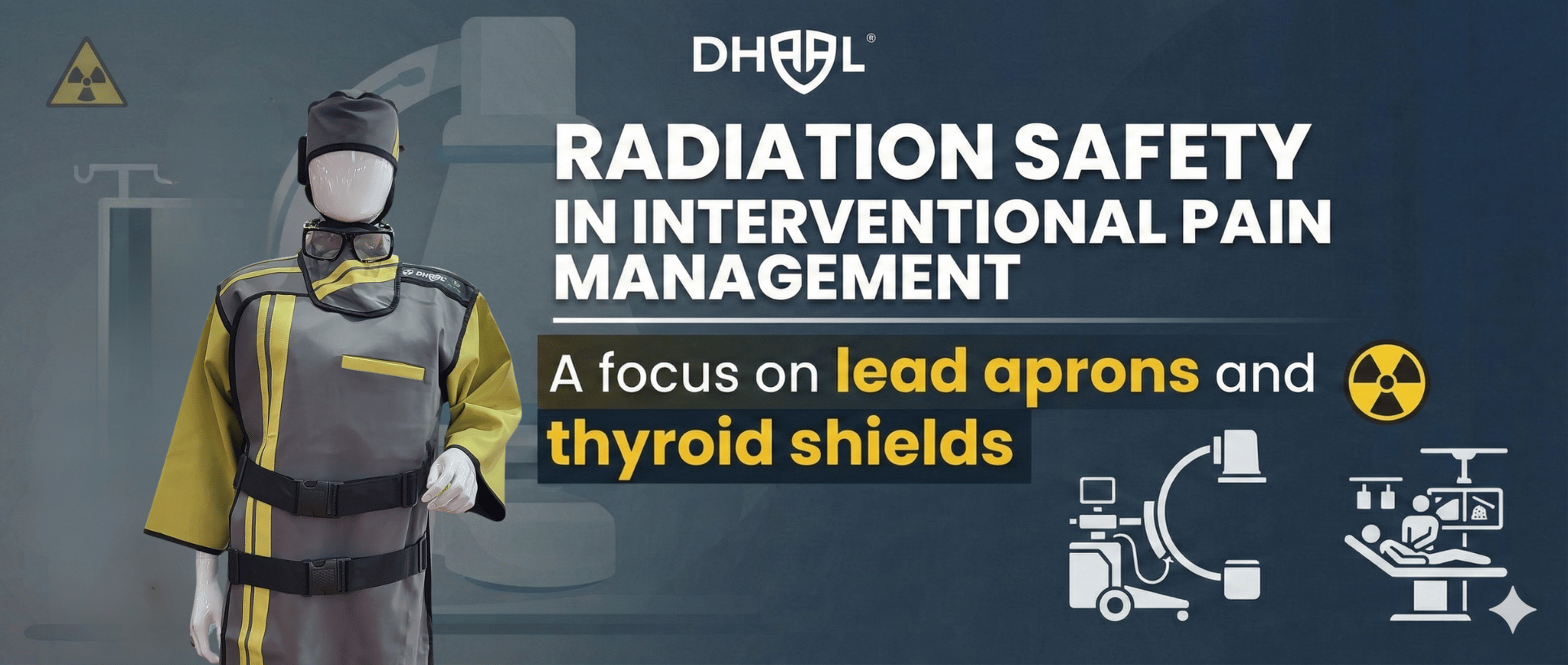
Here is a focused look at the primary defensive layers: lead aprons and thyroid shields.
1. The Lead Apron: Your Primary Shield
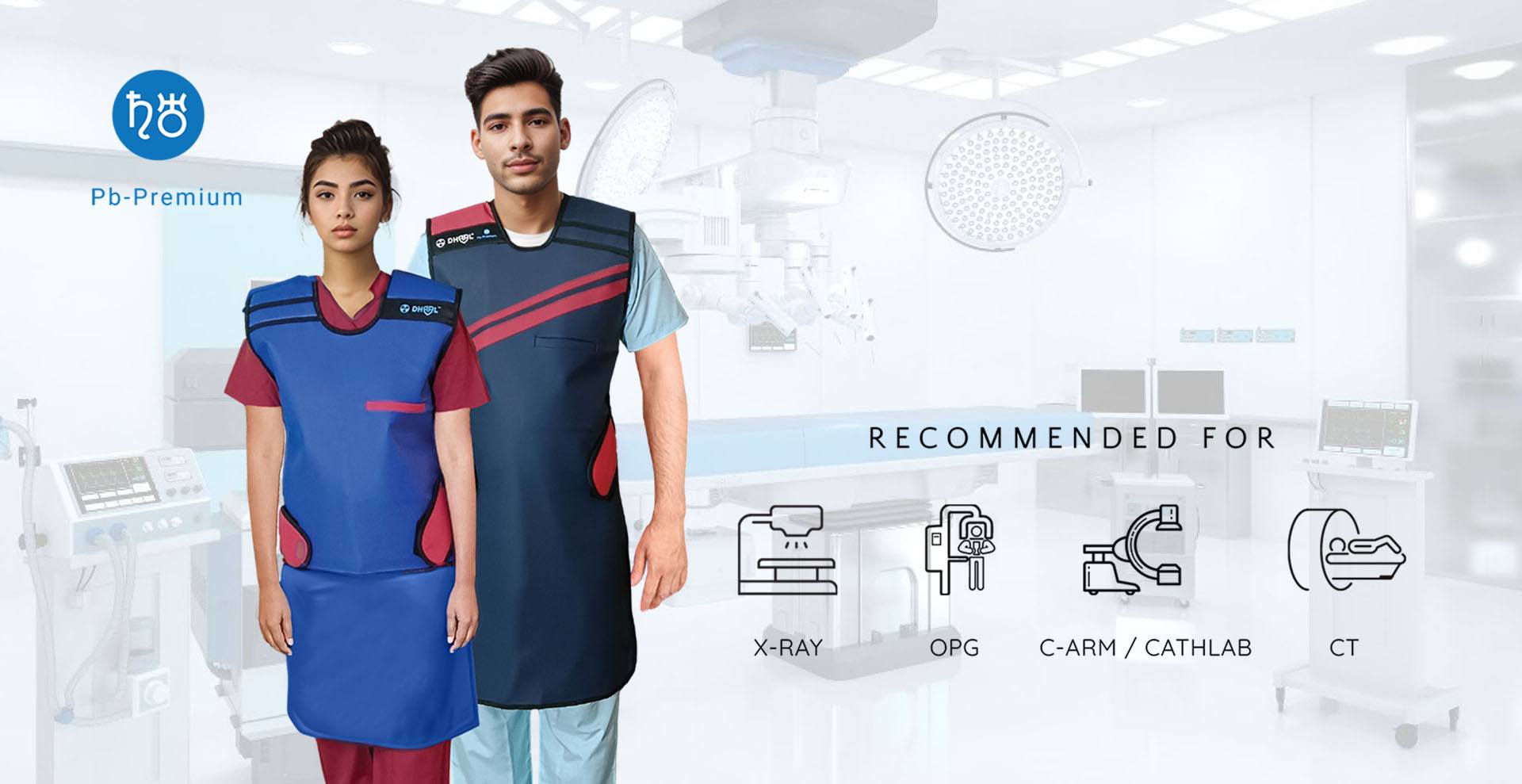
The apron is the most critical piece of personal protective equipment (PPE). Its effectiveness depends on its material composition and how well it covers your “vulnerable zones.”
Core Materials
- Traditional Lead: Highly effective but heavy. It can lead to musculoskeletal issues (back and neck pain) over long shifts.
- Lead-Free/Lightweight Composites: These use elements like tin, antimony, or tungsten. They provide equivalent protection to lead but are roughly 20–30% lighter.
Proper Fit and Design
- Lead Equivalence: For interventional procedures, a minimum of 0.5 mm lead equivalence is the standard for the front of the garment.
- Wrap-around vs. Frontal: In pain management, clinicians often move around the C-arm. A wrap-around lead apron is superior because it provides protection even when your back is turned to the radiation source.
- The “Armhole” Gap: Ensure the apron fits snugly around the armholes. Large gaps can expose sensitive axillary lymphoid tissue to scatter radiation.
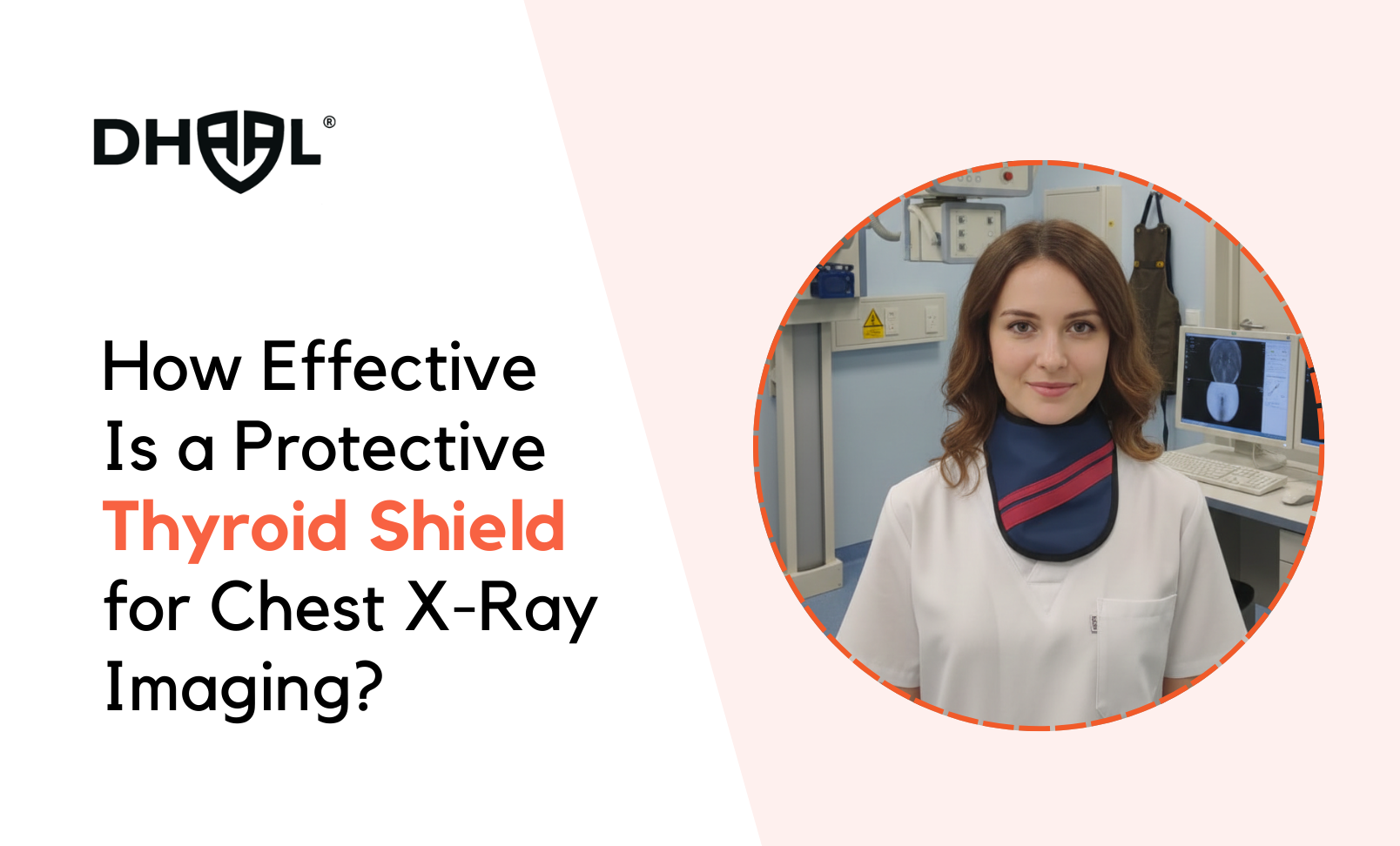
2. The Thyroid Shield: Protecting the Sensitive
The thyroid gland is one of the most radiosensitive organs in the human body. Chronic low-dose exposure has been linked to an increased risk of thyroid nodules and carcinoma in interventionalists.
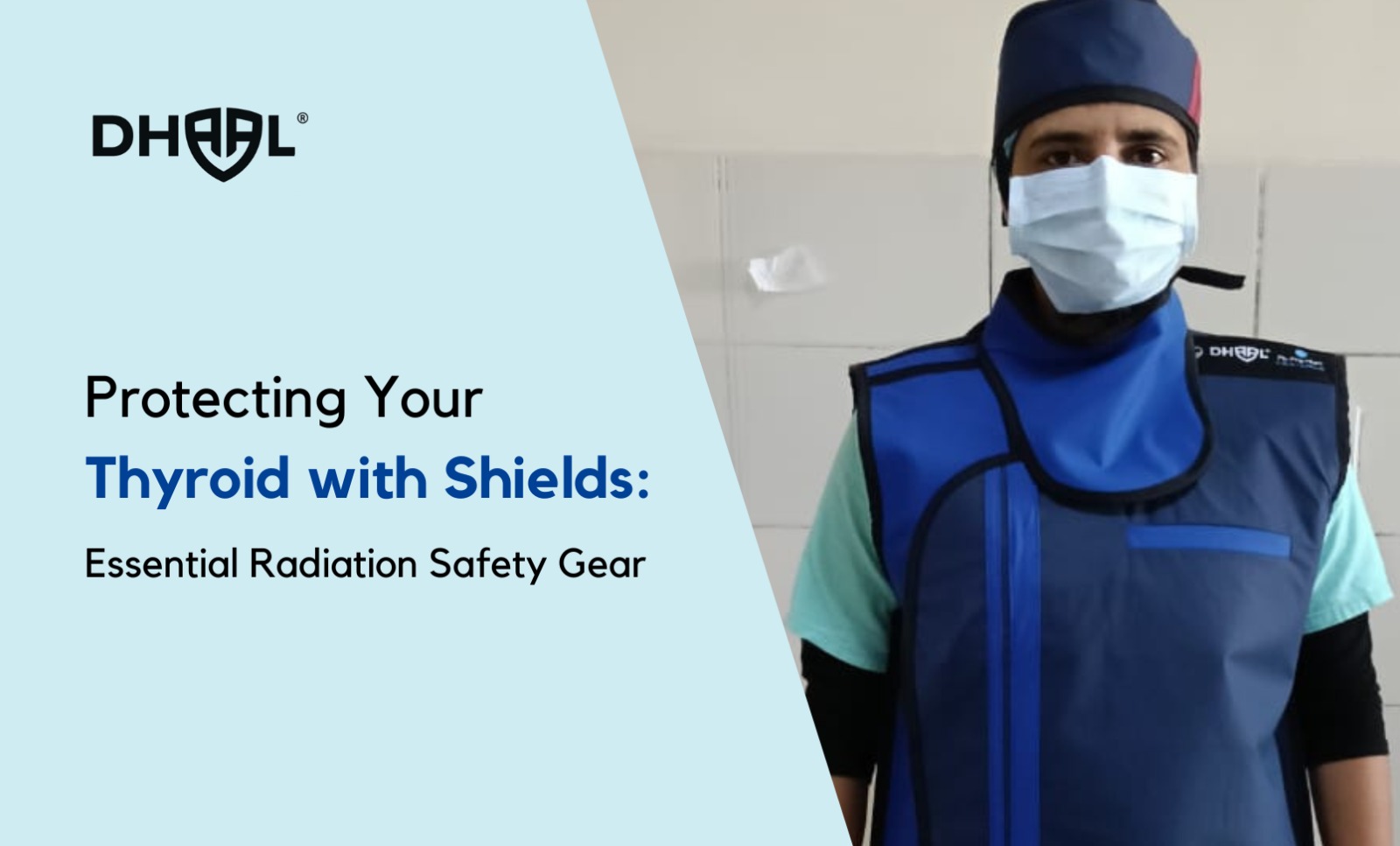
- Placement is Key: The shield must be worn snugly against the skin, covering the entire anterior neck from the chin down to the top of the apron.
- The “Gap” Problem: Even a small gap between the shield and the apron can allow scatter radiation to reach the base of the neck. Integrated shields or overlapping designs are often preferred to ensure continuous coverage.
3. Best Practices for Longevity and Safety
To ensure your gear actually does its job, follow these maintenance rules:
Storage: “Never Fold”
Lead and composite materials are prone to cracking if folded or slumped on a chair. Always hang garments on heavy-duty, contoured hangers. Cracks in the internal lining create “leaks” that allow radiation to pass through undetected.
Mandatory Inspection
Aprons should undergo annual fluoroscopic inspection.
- Lay the apron on the table under fluoroscopy.
- Look for dark spots or “voids” in the material.
- The Rule: If a crack or hole is found in a critical area (over the gonads or chest), the apron should be retired immediately.
4. Complementary Safety: The ALARA Principle
Even the best lead apron is only one part of the equation. Remember the ALARA (As Low as Reasonably Achievable) pillars:
- Time: Minimize “pedal time.”
- Distance: The Inverse Square Law is your best friend. Doubling your distance from the source reduces your exposure to one-fourth.
- Shielding: Beyond your apron, use lead glass screens and table-side drapes whenever possible.