When it comes to radiation safety, every healthcare professional wants two things: maximum protection and minimum fatigue. Whether you work in radiology, cardiology, dentistry, or interventional procedures, the type of apron you choose can directly impact both your health and your performance.
Today, two major options dominate the market: traditional lead aprons and modern lead-free aprons. Each comes with its own strengths, limitations, and ideal use scenarios. Let’s break them down in a simple, practical way.
Why Radiation Aprons Matter
Scatter radiation may be low, but exposure is often continuous. Over the course of weeks, months, and years, this exposure can add up. An apron’s job is to stop that scatter before it reaches vital organs—especially the thyroid, reproductive organs, and bone marrow.
Having the right apron isn’t just about compliance; it’s about long-term health.
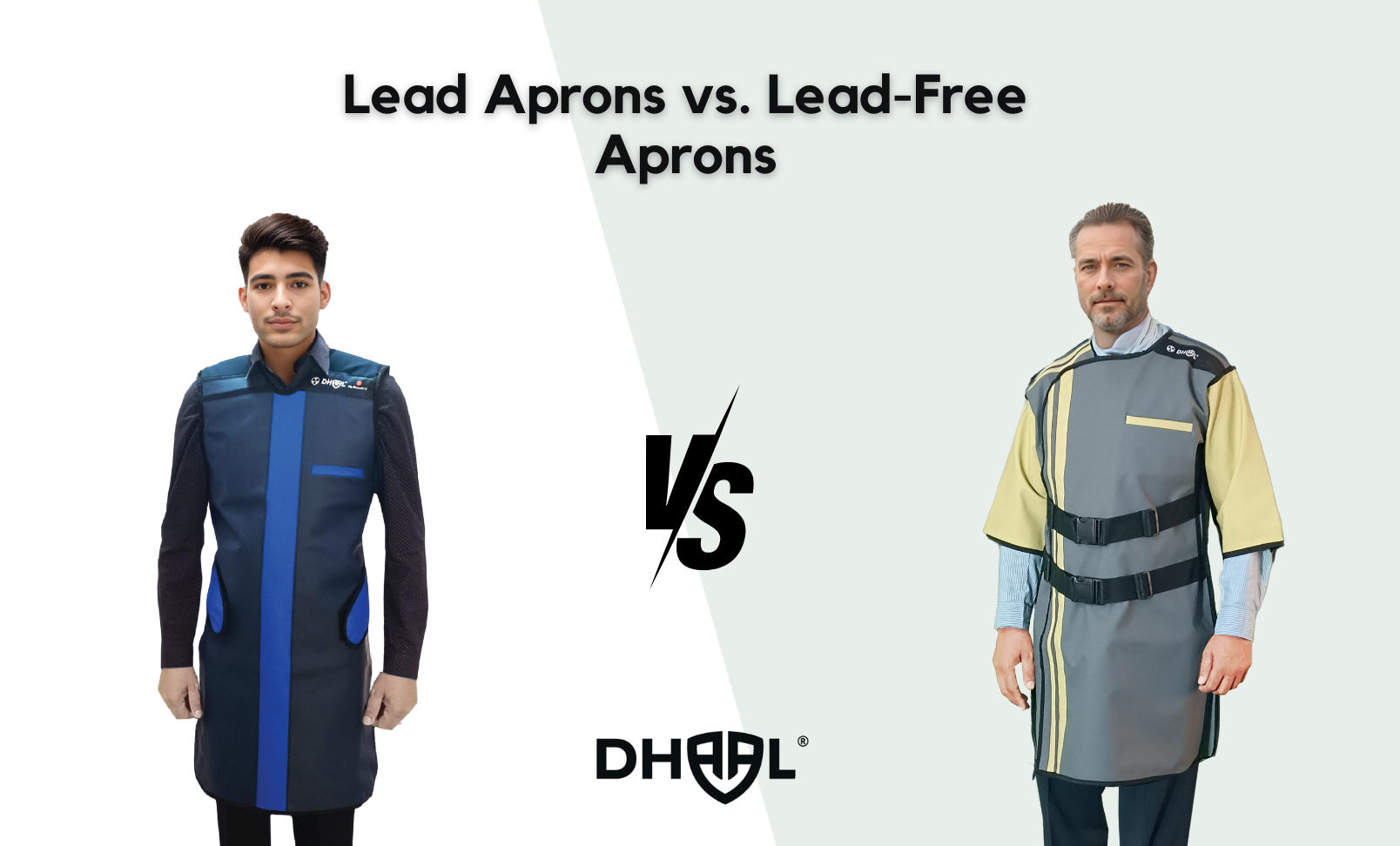
Lead Aprons: The Classic Protector
Lead has been used for radiation shielding for more than 70 years—and with good reason. It’s extremely dense and excellent at blocking X-rays.
Benefits
- Proven, consistent protection
- Generally, more affordable
- Available everywhere
- Easy to certify and test
Limitations
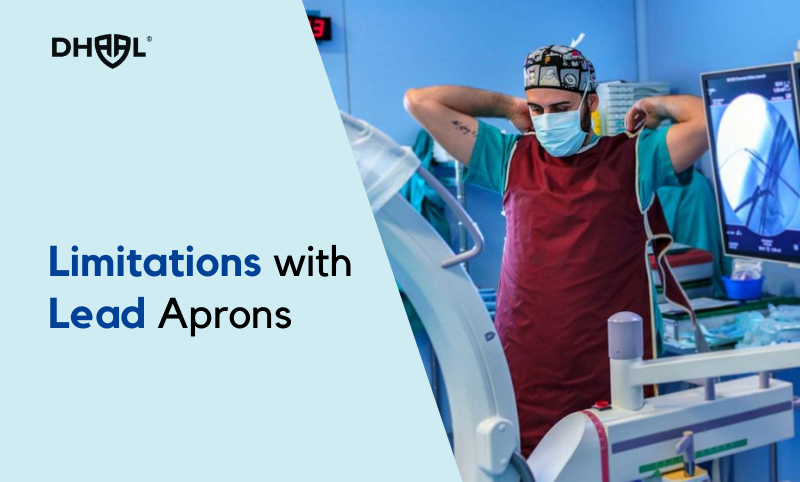
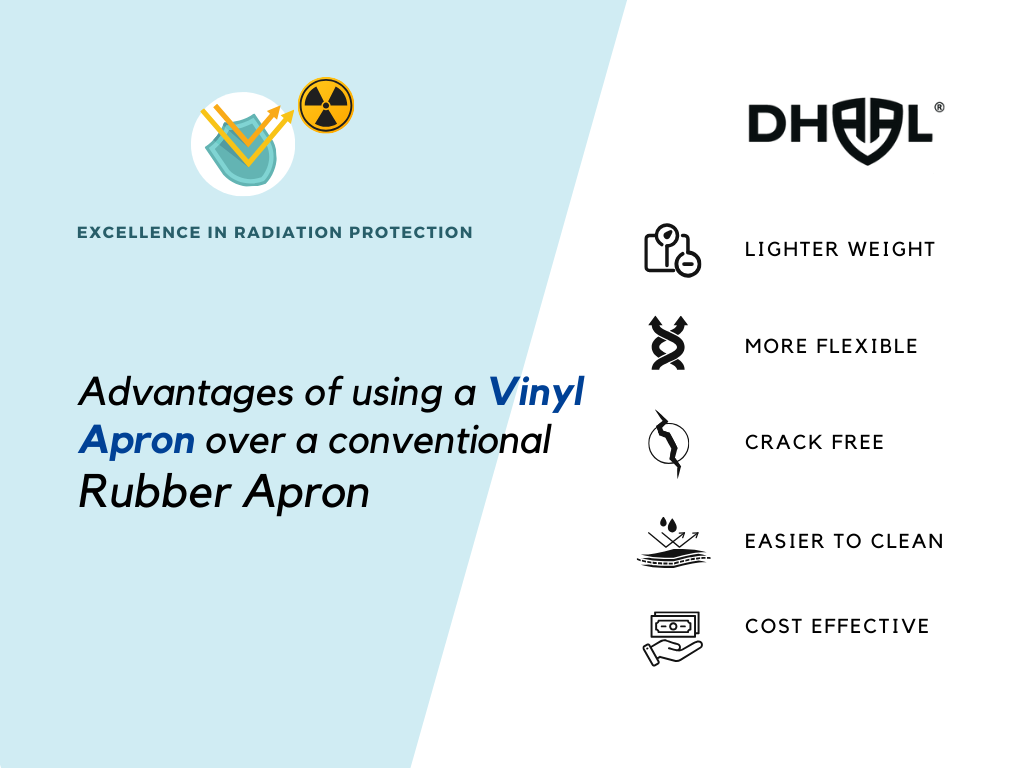
- Heavier than modern alternatives
- Can cause discomfort during long procedures
- Not environmentally friendly
- Can crack if folded or stored improperly
Lead aprons get the job done, but they can be tough on the body if worn for hours on end.
Lead-Free Aprons: The Modern Evolution
Lead-free aprons use advanced composites such as bismuth, antimony, or tungsten that offer similar shielding capabilities.
Benefits
- Up to 40% lighter, reducing physical strain
- Eco-friendly and easier to dispose of
- More flexible, improving mobility
- Often more durable over time
Limitations
- Usually more expensive
- Protection quality varies by brand and material mix
- May behave differently under higher kVp levels
Lead-free aprons prioritize comfort without compromising safety—ideal for professionals involved in long or multiple procedures each day.
Feature-by-Feature Comparison
| Feature | Lead Aprons | Lead-Free Aprons |
| Weight | Heavy | Much lighter |
| Protection | Excellent | Excellent (depends on composite) |
| Comfort | Moderate | High |
| Environmental Impact | Hazardous material | Eco-friendly |
| Cost | Lower | Slightly higher |
| Durability | Good but rigid | Very good, flexible |
How to Decide What’s Right for You
Your perfect apron depends on how you work:
✔ Choose a Lead Apron if:
- You’re on a tight budget
- You use the apron occasionally
- Your procedures are short
- You need a tried-and-tested option
✔ Choose a Lead-Free Apron if:
- You work long shifts around X-ray equipment
- Back, neck, or shoulder fatigue is a concern
- You want an environmentally friendly option
- Comfort and mobility matter to you