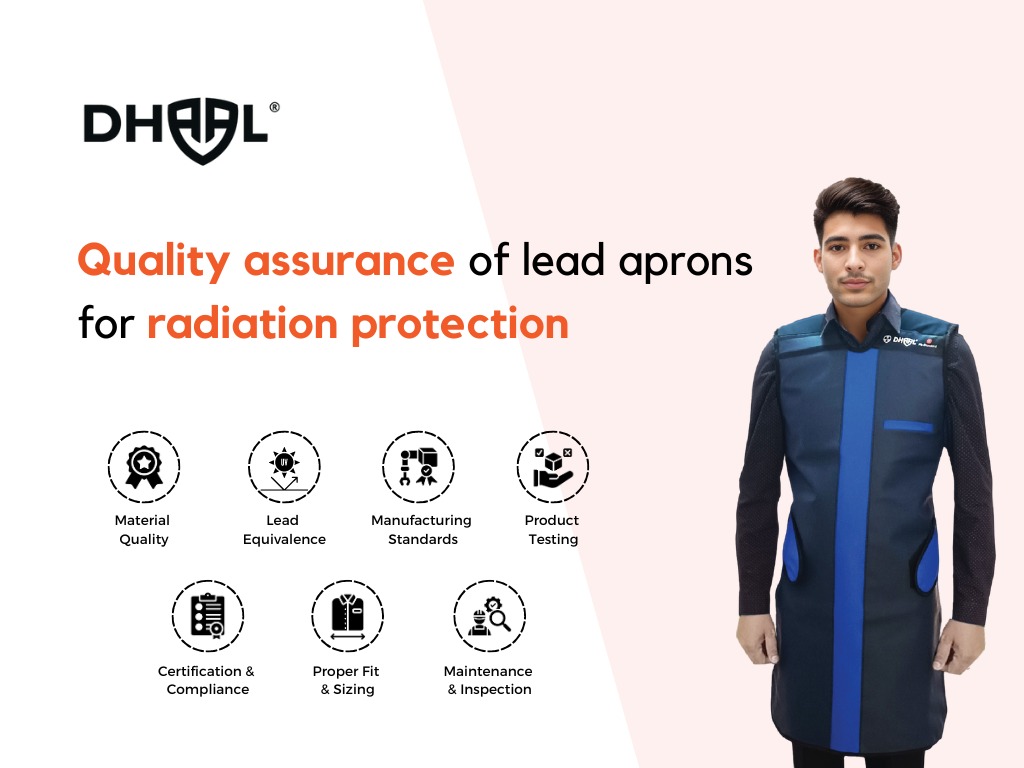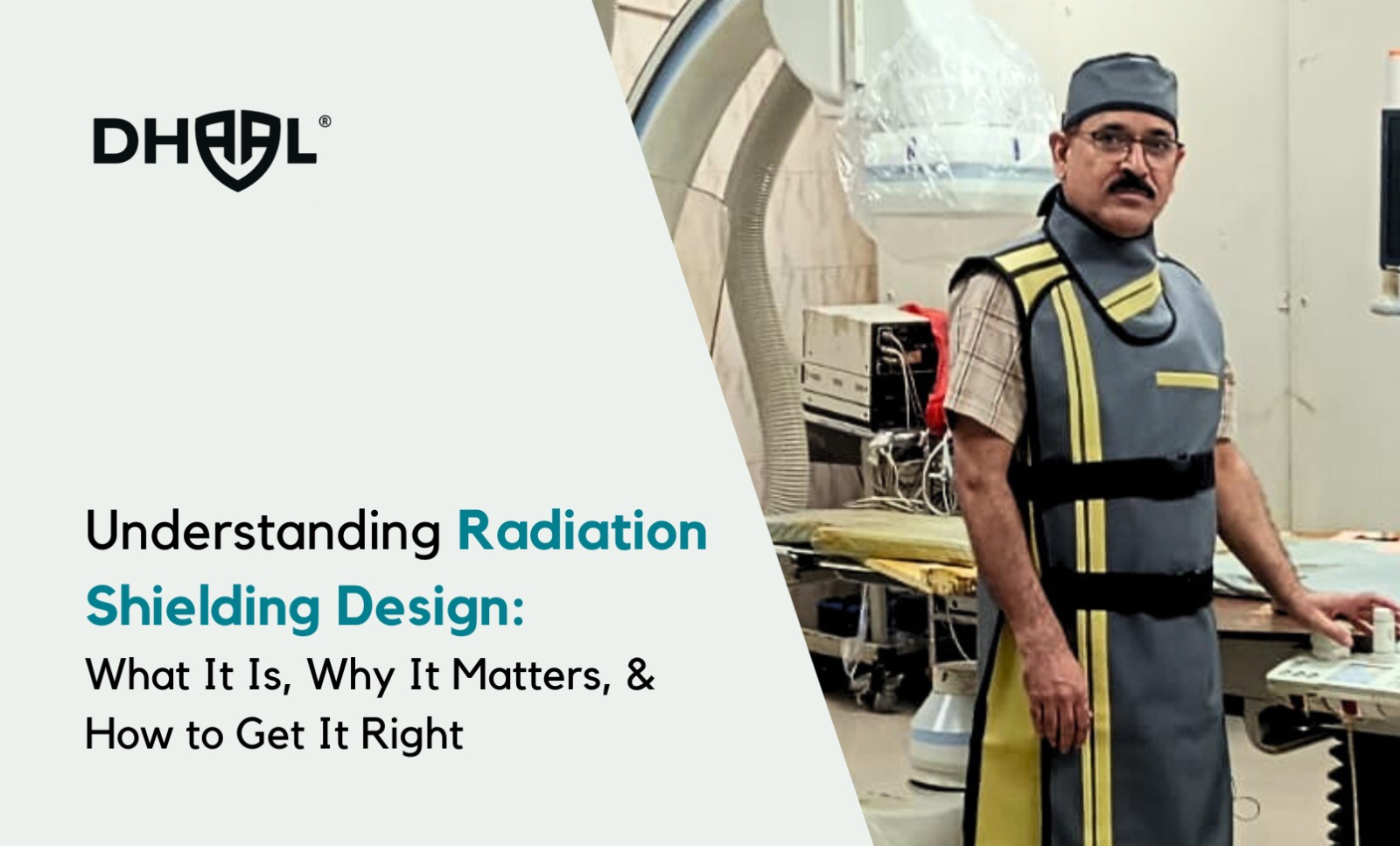

In environments where radiation exposure is a concern—such as hospitals, dental offices, or industrial settings—𝗽𝗲𝗿𝘀𝗼𝗻𝗮𝗹 𝗽𝗿𝗼𝘁𝗲𝗰𝘁𝗶𝘃𝗲 𝗲𝗾𝘂𝗶𝗽𝗺𝗲𝗻𝘁 (𝗣𝗣𝗘) like 𝗹𝗲𝗮𝗱 𝗮𝗽𝗿𝗼𝗻𝘀 𝗮𝗻𝗱 𝘀𝗵𝗶𝗲𝗹𝗱𝘀 play a critical role in ensuring safety. But how effective are these protective garments at actually 𝗿𝗲𝗱𝘂𝗰𝗶𝗻𝗴 𝗿𝗮𝗱𝗶𝗮𝘁𝗶𝗼𝗻 𝗲𝘅𝗽𝗼𝘀𝘂𝗿𝗲?
Let’s break it down.
𝗨𝗻𝗱𝗲𝗿𝘀𝘁𝗮𝗻𝗱𝗶𝗻𝗴 𝗥𝗮𝗱𝗶𝗮𝘁𝗶𝗼𝗻 𝗘𝘅𝗽𝗼𝘀𝘂𝗿𝗲
Radiation is energy emitted from a source, and in medical imaging or certain industrial applications, it’s often in the form of ionizing radiation (e.g., X-rays, gamma rays). While incredibly useful for diagnostics and treatment, ionizing radiation can be harmful with prolonged or repeated exposure.
Exposure is typically measured in millisieverts (mSv). The higher the exposure, the higher the risk for cellular damage, which can potentially lead to conditions such as radiation burns, organ damage, or even cancer.
𝗪𝗵𝗮𝘁 𝗔𝗿𝗲 𝗥𝗮𝗱𝗶𝗮𝘁𝗶𝗼𝗻 𝗦𝗵𝗶𝗲𝗹𝗱𝘀 𝗮𝗻𝗱 𝗔𝗽𝗿𝗼𝗻𝘀 𝗠𝗮𝗱𝗲 𝗢𝗳?
The most common material used in radiation PPE is lead, thanks to its high density and ability to absorb radiation. However, newer materials like lead composites or non-lead alternatives (using bismuth, antimony, tungsten) are becoming popular due to their lighter weight and comparable protective performance.
𝗣𝗿𝗼𝘁𝗲𝗰𝘁𝗶𝘃𝗲 𝗮𝗽𝗿𝗼𝗻𝘀 𝗮𝗻𝗱 𝘀𝗵𝗶𝗲𝗹𝗱𝘀 are generally rated by their lead equivalence, commonly:
• 0.25 mm Pb
• 0.35 mm Pb
• 0.5 mm Pb
The “Pb” refers to the shielding effectiveness compared to actual lead.
𝗛𝗼𝘄 𝗠𝘂𝗰𝗵 𝗣𝗿𝗼𝘁𝗲𝗰𝘁𝗶𝗼𝗻 𝗗𝗼 𝗧𝗵𝗲𝘆 𝗢𝗳𝗳𝗲𝗿?
𝗟𝗲𝗮𝗱 𝗔𝗽𝗿𝗼𝗻𝘀
Lead aprons are designed to shield vital organs from scatter radiation. Their effectiveness depends on the thickness and type of radiation, but on average:
• A 0.25 mm Pb apron can reduce radiation exposure by approximately 90–95%
• A 0.5 mm Pb apron can block up to 99% of scatter radiation
These numbers apply primarily to scatter radiation, not direct beams. Aprons are not suitable for blocking primary beams—such as a direct X-ray—which should always be avoided.
𝗧𝗵𝘆𝗿𝗼𝗶𝗱 𝗖𝗼𝗹𝗹𝗮𝗿𝘀 𝗮𝗻𝗱 𝗚𝗼𝗻𝗮𝗱𝗮𝗹 𝗦𝗵𝗶𝗲𝗹𝗱𝘀
Other shielding items like thyroid collars or gonadal shields can reduce localized exposure by 90–99%, depending on thickness and positioning. The thyroid is particularly sensitive to radiation, making this accessory crucial for many procedures.
𝗠𝗼𝗯𝗶𝗹𝗲 𝗕𝗮𝗿𝗿𝗶𝗲𝗿𝘀 𝗮𝗻𝗱 𝗦𝘁𝗿𝘂𝗰𝘁𝘂𝗿𝗮𝗹 𝗦𝗵𝗶𝗲𝗹𝗱𝘀
In clinical settings, mobile lead shields or lead-lined walls can offer near-complete protection (well over 99%) when positioned correctly. These are essential for staff who may be exposed to radiation frequently over long periods.
𝗥𝗲𝗮𝗹-𝗪𝗼𝗿𝗹𝗱 𝗜𝗺𝗽𝗮𝗰𝘁: 𝗔 𝗤𝘂𝗮𝗻𝘁𝗶𝘁𝗮𝘁𝗶𝘃𝗲 𝗘𝘅𝗮𝗺𝗽𝗹𝗲
Imagine a radiologic technologist working with fluoroscopy (a type of real-time X-ray). Without protection, they might be exposed to 5 mSv per year. With a properly worn 0.5 mm Pb apron, this exposure could drop to less than 0.1 mSv/year—well below occupational exposure limits set by regulatory bodies like the NCRP or IAEA.
𝗕𝗲𝘀𝘁 𝗣𝗿𝗮𝗰𝘁𝗶𝗰𝗲𝘀 𝗳𝗼𝗿 𝗠𝗮𝘅𝗶𝗺𝘂𝗺 𝗣𝗿𝗼𝘁𝗲𝗰𝘁𝗶𝗼𝗻
• 𝗣𝗿𝗼𝗽𝗲𝗿 𝗙𝗶𝘁: A well-fitted apron prevents gaps where radiation can sneak through.
• 𝗥𝗲𝗴𝘂𝗹𝗮𝗿 𝗜𝗻𝘀𝗽𝗲𝗰𝘁𝗶𝗼𝗻: Cracks or wear can compromise shielding integrity.
• 𝗣𝗿𝗼𝗽𝗲𝗿 𝗦𝘁𝗼𝗿𝗮𝗴𝗲: Avoid folding lead aprons, which can cause creases and cracks.
• 𝗦𝘂𝗽𝗽𝗹𝗲𝗺𝗲𝗻𝘁 𝘄𝗶𝘁𝗵 𝗢𝘁𝗵𝗲𝗿 𝗣𝗣𝗘: Don’t rely on aprons alone; use shields, distance, and time limits to reduce exposure.
𝗙𝗶𝗻𝗮𝗹 𝗧𝗵𝗼𝘂𝗴𝗵𝘁𝘀
𝗣𝗿𝗼𝘁𝗲𝗰𝘁𝗶𝘃𝗲 𝗮𝗽𝗿𝗼𝗻𝘀 𝗮𝗻𝗱 𝘀𝗵𝗶𝗲𝗹𝗱𝘀 are highly effective at reducing radiation exposure—often by 90% or more when used correctly. While not a substitute for good radiation safety practices (like limiting exposure time and maximizing distance), they are an essential component in the defense against unnecessary radiation doses.
For professionals working around radiation regularly, investing in and properly using high-quality protective equipment is not just a matter of compliance—it’s a commitment to long-term health.
𝗔𝗿𝗲 𝘆𝗼𝘂 𝗼𝘂𝘁𝗳𝗶𝘁𝘁𝗲𝗱 𝘄𝗶𝘁𝗵 𝘁𝗵𝗲 𝗿𝗶𝗴𝗵𝘁 𝗽𝗿𝗼𝘁𝗲𝗰𝘁𝗶𝘃𝗲 𝗴𝗲𝗮𝗿? Make sure your workplace is following the latest safety standards—and don’t hesitate to ask for an equipment check.