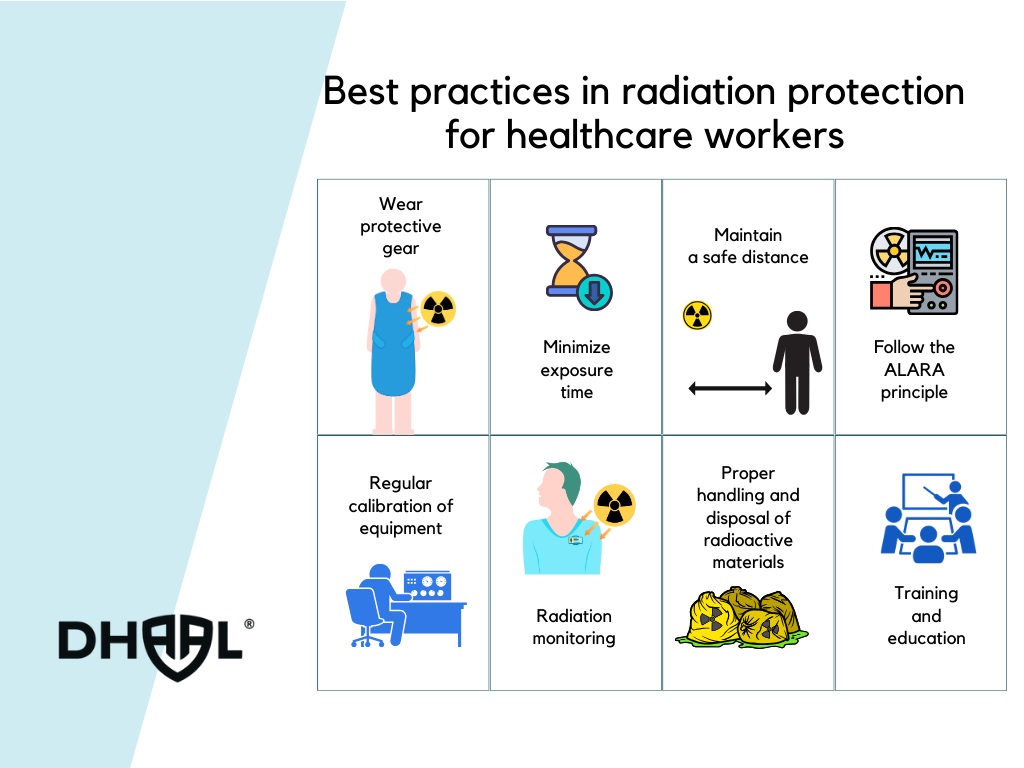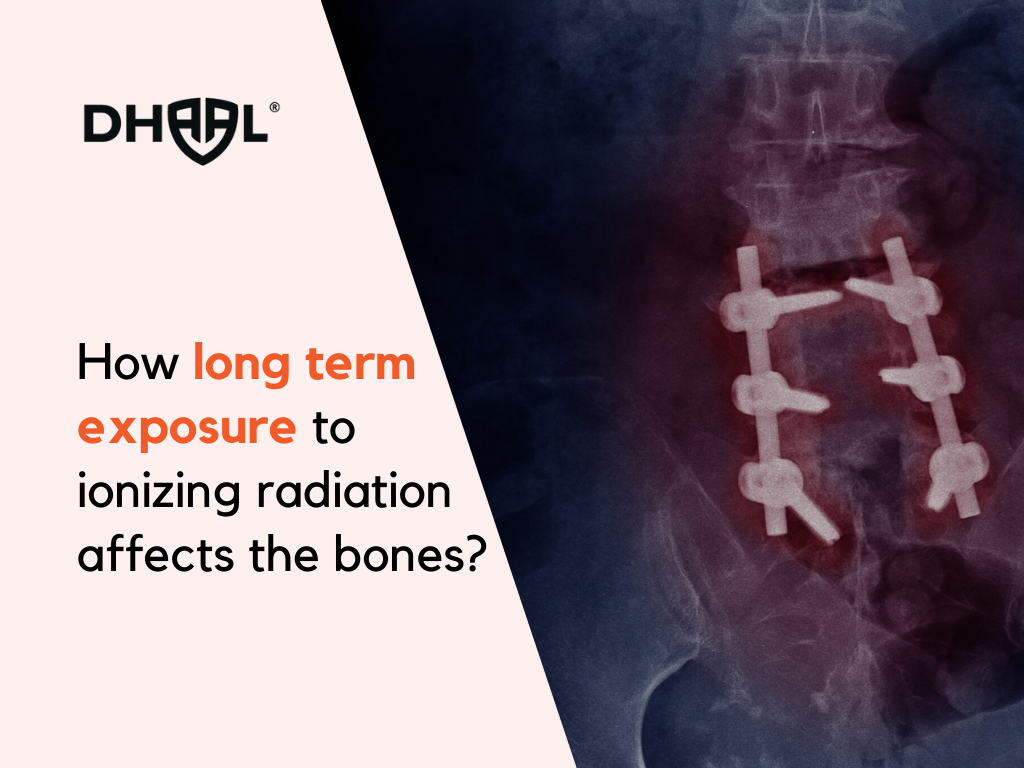

In the ever-evolving world of safety gear, one of the most essential yet often overlooked pieces of equipment is the lead-lined apron or protective clothing. These garments have a unique and fascinating history, one that merges the worlds of medical advancements, industrial safety, and scientific innovation. So, how did we get from simple cloth aprons to highly specialized, radiation-shielding garments?
The Birth of Radiation Protection
The story begins in the early 20th century when the discovery of X-rays and radioactivity revolutionized the medical and scientific fields. While these breakthroughs opened up new possibilities in diagnostics and treatment, they also introduced a dangerous new element: radiation exposure. Early X-ray technicians, doctors, and scientists working with radioactive materials had little understanding of the long-term effects of radiation, which, as it would later be understood, could cause severe health issues, including cancer.
As the use of X-rays became more widespread, so did the need for protection. In the 1920s and 1930s, health professionals and engineers began to develop materials that could shield the body from harmful radiation. Enter lead, a dense metal with the unique ability to absorb and block radiation.
The First Lead-Lined Aprons
The earliest lead-lined aprons were quite rudimentary. Made of thick layers of lead foil or sheets, these aprons were sewn into cloth or canvas for practical use. They were bulky, heavy, and uncomfortable, but they served a crucial purpose—protecting the wearer from harmful radiation exposure.
In the beginning, these garments were used primarily in medical settings, where X-rays were increasingly used to diagnose and treat patients. As awareness grew about the dangers of radiation exposure, it became clear that doctors, nurses, and radiologists were at significant risk. The lead-lined apron became an essential piece of protective equipment, especially for those who spent long hours working near radiation sources.
The Rise of Modern Radiation Protection
By the late 20th century and into the 21st, the development of lead-lined clothing saw a major transformation. As technology improved, so did the materials used in radiation protection. While lead remained the primary material for radiation shielding due to its density and efficiency, new forms of protection began to emerge. High-density polyethylene (HDPE), for example, began to replace lead in some products, especially in the form of lead-free aprons. These newer materials offered lighter weight, greater flexibility, and reduced environmental impact.
In modern times, the focus of lead-lined clothing has expanded beyond the medical industry. Professionals working in nuclear power plants, research labs, and even certain industrial sectors now rely on lead-lined aprons, gloves, and full-body lead gowns to protect themselves from radiation exposure. Additionally, lead-lined clothing has found a role in aviation, where pilots and flight attendants are sometimes exposed to elevated levels of cosmic radiation while flying at high altitudes.
The Future: Lead-Free, Lighter, and More Efficient
While lead remains the standard material in radiation protection, the future of lead-lined clothing is undoubtedly headed toward new innovations. Lead-free aprons are gaining traction, and advancements in nanotechnology, along with improvements in composite materials, promise even more effective, lighter, and comfortable options for those who require radiation protection.
There is also a growing emphasis on sustainability. As we become more aware of the environmental and health risks associated with lead, researchers are exploring materials that provide the same level of protection without the potential hazards of lead exposure. This includes using biocompatible, non-toxic substances that are easier to recycle and dispose of after their use.
Conclusion
The development of lead-lined aprons are testament to human ingenuity and the relentless pursuit of safety and protection. From the early days of bulky, uncomfortable aprons to the sleek, modern designs we see today, radiation protection has come a long way. As technology continues to advance, the future of these garments promises even greater efficiency, comfort, and sustainability.
In a world where safety is paramount, especially in industries that deal with potentially life-threatening risks like radiation, lead-lined clothing remains a critical component of personal protective equipment. As we move into the future, it will be exciting to see how innovation continues to shape the development of these vital protective garments.
Explore Some Other Lead Aprons Below :
No lead apron for x-rays | Lead free radiation protection aprons | x ray lead apron lightweight | lead gowns for x ray | lead apron online | lead free radiation apron