Fluoroscopy is central to modern orthopaedic surgery, from fracture fixation to spinal procedures. But surgeons work close to the C-arm for long periods, and scatter radiation adds up over a career. The most important line of defence is a well-chosen lead apron.
Why the Lead Apron Matters
A lead apron shields the chest, abdomen and pelvis, where many radiosensitive organs sit. Worn correctly, it significantly reduces scatter radiation to the areas it covers. It is not optional equipment; it should be worn for every fluoroscopy-guided procedure.
Choosing the Right Lead Equivalence
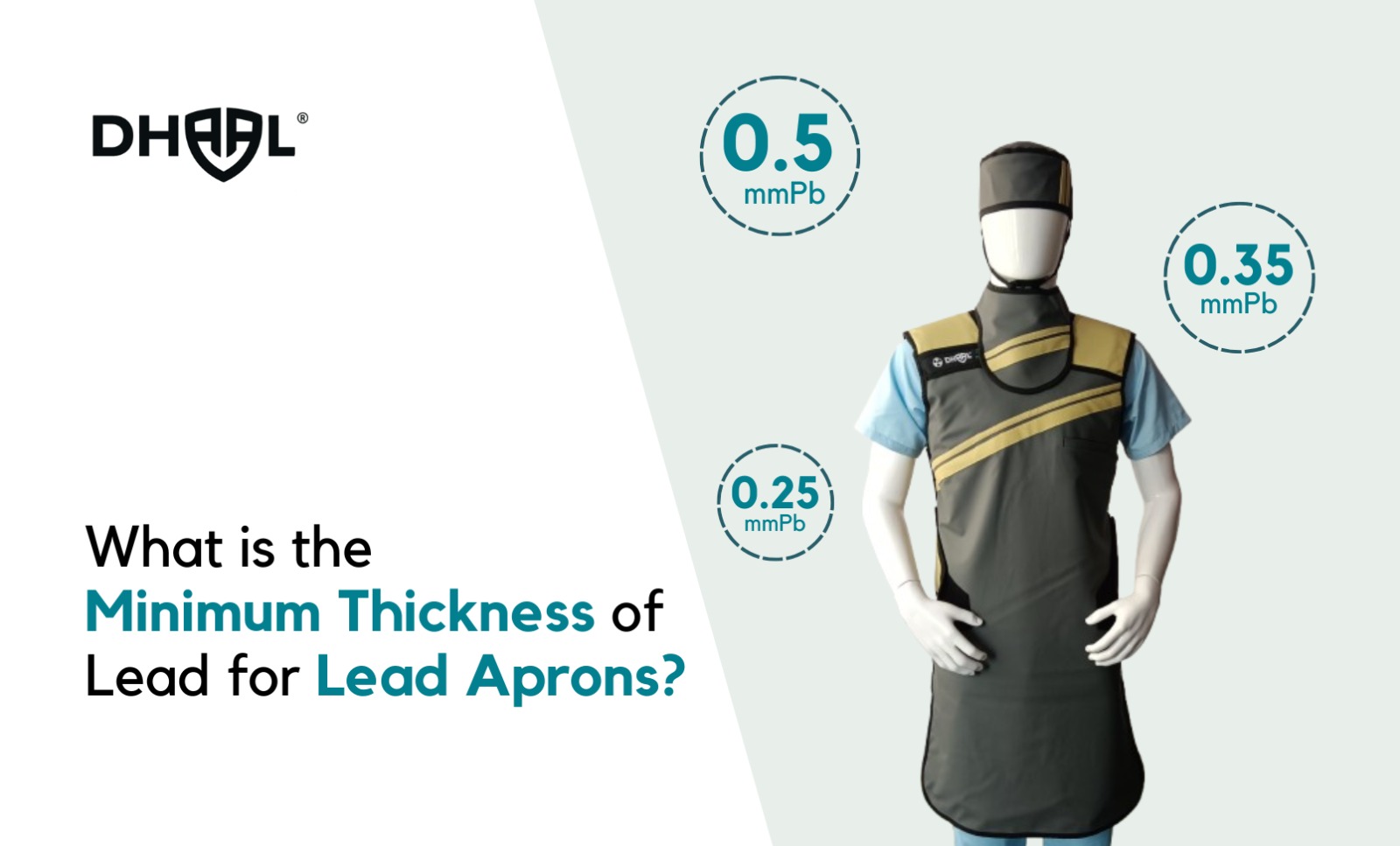
Aprons are rated by lead equivalence:
- 0.25 mm Pb: lighter, suited to lower-exposure work.
- 0.35 to 0.5 mm Pb: commonly chosen for orthopaedic cases with frequent fluoroscopy.
Always check that the lead equivalence is clearly labelled and tested.
Features That Make a Difference
- Wrap-around coverage: surgeons often turn sideways or away from the C-arm, so a front-only x-ray lead apron leaves the back exposed.
- Vest and skirt design: shifts weight from the shoulders to the hips, easing back and neck strain during long cases.
- Lightweight lead-composite material: improves comfort, so the apron is worn consistently.
- Proper fit: gaps at the armholes or sides reduce protection.
Caring for Your Apron
Hang aprons on a proper rack instead of folding them, since creases can crack the shielding. Inspect them regularly and have them tested periodically. Retire any that show defects.
Beyond the Apron
An lead free apron works best alongside a thyroid collar, leaded eyewear, dosimeters and sound technique: short pulsed exposures, tight collimation, and as much distance from the beam as the procedure allows.
At Dhaal Healthcare, we manufacture radiation protection aprons and accessories for hospitals, institutions and distributors across India and internationally. Contact us to find the right apron for your orthopaedic team.