In the demanding world of surgery, where long hours and high stakes are the norm, protecting oneself from unseen hazards is just as crucial as the procedures themselves. One such hazard, particularly for female surgeons, is the exposure to ionizing radiation. While lead aprons and thyroid collars are standard protective gear, a critical piece of equipment often overlooked is the lead ovarian shield.
The Invisible Threat: Ionizing Radiation in the OR
Many surgical procedures, especially those in orthopedic, cardiothoracic, and vascular surgery, rely on fluoroscopy—a real-time X-ray imaging technique. While invaluable for guiding instruments and visualizing anatomy, fluoroscopy exposes both the patient and the surgical team to scattered radiation.
For a surgeon, this exposure is not a one-time event. They are repeatedly exposed throughout their career, accumulating a cumulative radiation dose. While the body has some capacity to repair DNA damage, chronic exposure can increase the risk of developing certain cancers, particularly leukemia, breast cancer, and thyroid cancer.
The Unique Vulnerability of Female Surgeons
While all surgeons are at risk, female surgeons face an additional, significant concern: the vulnerability of their ovaries. Ovarian tissue is highly radiosensitive, meaning it is more susceptible to damage from ionizing radiation compared to other organs.
- Impact on Fertility: Radiation exposure can harm oocytes (immature egg cells) and decrease ovarian reserve, potentially leading to infertility or premature menopause. This is a particularly pressing concern for female surgeons who may be in their reproductive years or planning a family.
- Genetic Damage: Damage to oocytes can also lead to genetic mutations, which could be passed on to future generations if conception occurs. While the risks are low, they are not zero, and a protective measure can mitigate this concern entirely.
The Lead Ovarian Shield: A Simple, Crucial Solution
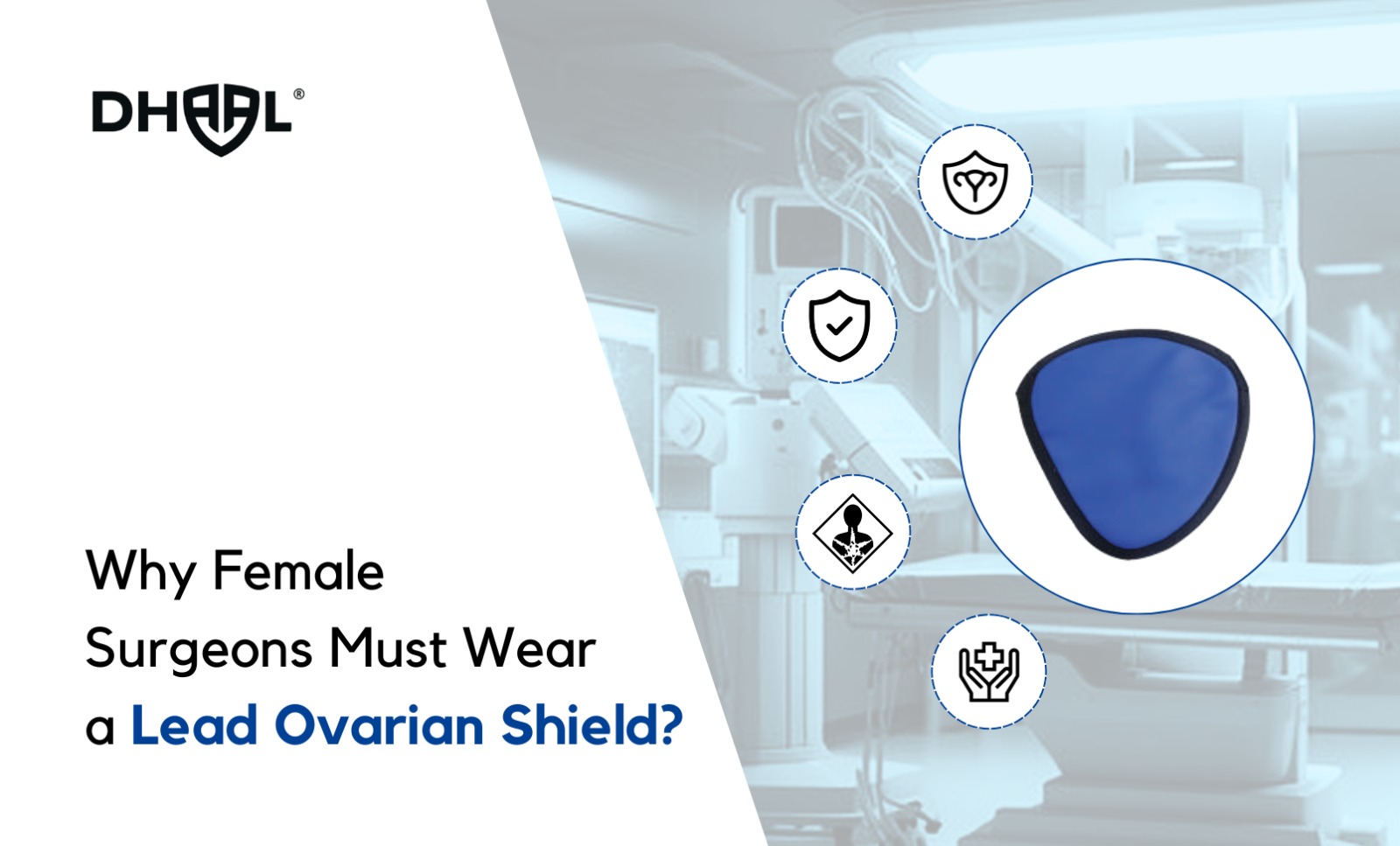
A lead ovarian shield is a small, easy-to-wear piece of protective equipment, typically worn under the lead apron and secured around the waist. It is designed to specifically cover the pelvic region, providing a dense barrier against scattered radiation.
Here’s why it’s non-negotiable for female surgeons:
- Direct Protection: It provides a direct and substantial reduction in the radiation dose to the ovaries, safeguarding against the risks of infertility and genetic damage.
- Peace of Mind: Knowing that a vital organ is protected allows the surgeon to focus on the task at hand without the added worry of long-term health risks.
- Future-Proofing a Career: For many female surgeons, their peak surgical years coincide with their prime reproductive years. Wearing an ovarian shield is an investment in their future health and family planning.
- Promoting a Culture of Safety: When a surgeon prioritizes their own health by wearing all necessary protective gear, it sets a powerful example for the entire surgical team, reinforcing the importance of a comprehensive safety culture.
Beyond the Shield: A Call to Action
While the lead ovarian shield is a simple and effective solution, it’s part of a larger conversation about promoting the health and well-being of female surgeons. It’s time for hospitals, surgical departments, and professional organizations to:
- Increase Awareness: Educate all surgical staff, especially those in training, about the specific risks of radiation exposure for female surgeons.
- Mandate its Use: Make the lead ovarian shield a standard part of the mandatory protective gear for all female surgeons, just like the lead apron.
- Provide Access: Ensure that high-quality, comfortable lead ovarian shields are readily available in all operating rooms where fluoroscopy is used.
Conclusion
A female surgeon’s career is a testament to her dedication, skill, and resilience. But this path should not come at the cost of her long-term health or ability to start a family. The lead ovarian shield is not just a piece of equipment; it’s a statement about valuing the well-being of every member of the surgical team. By embracing this simple, yet crucial, protective measure, we can ensure that the next generation of female surgeons can operate with confidence, knowing their health is as protected as the lives they are dedicated to saving.