In the fast-paced environments of cath labs, interventional radiology suites, and operating rooms, medical professionals are hyper-focused on patient outcomes. While heavy lead aprons and thyroid shields are standard protocol to protect against scatter radiation, one critical area is often left exposed: the eyes.
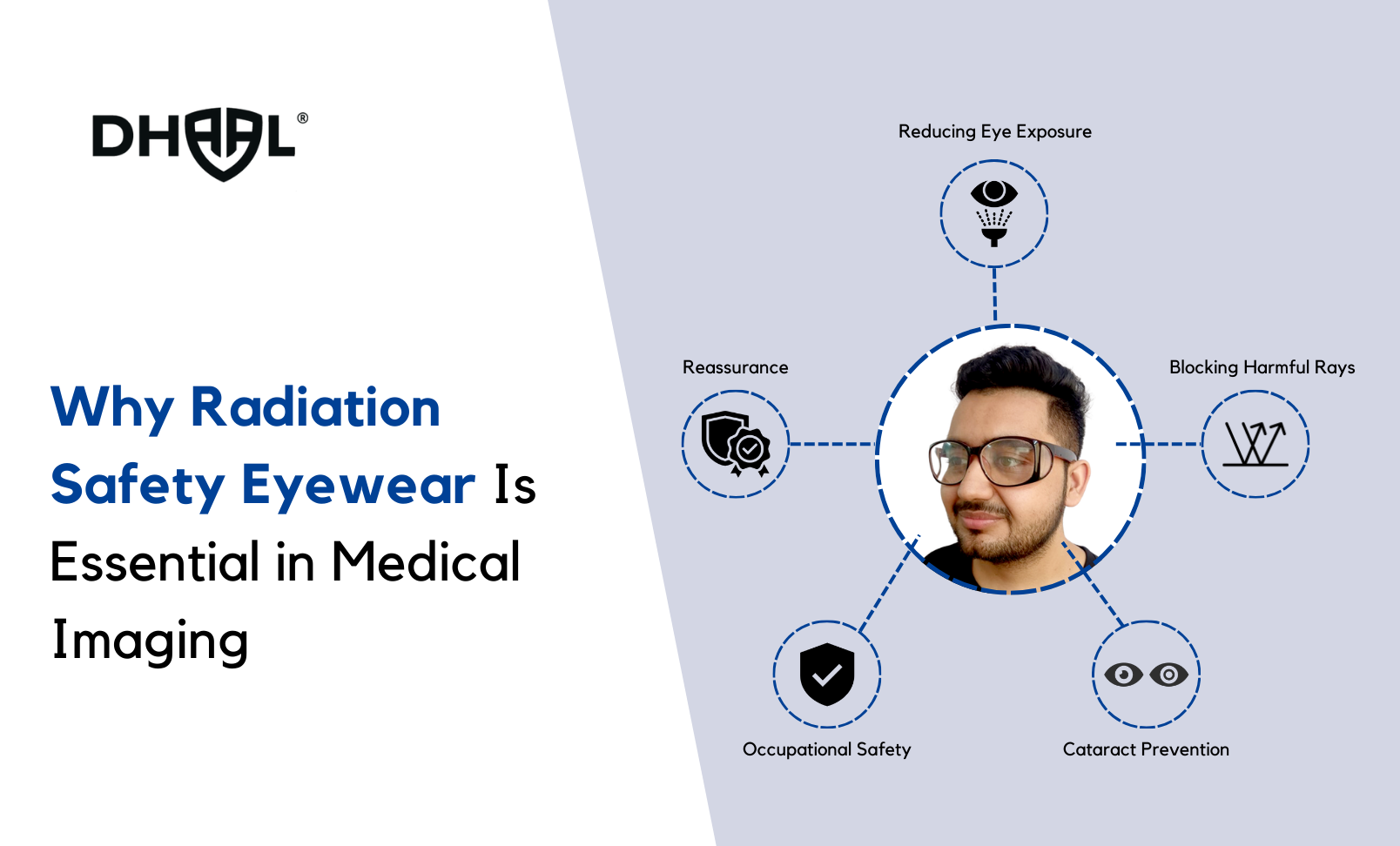
Prolonged, unprotected exposure to ionizing radiation poses a severe, cumulative threat to your vision. Here is why radiation safety eyewear is not just an optional accessory, but an absolute necessity for healthcare workers in medical imaging.
The Unseen Danger: Radiation-Induced Cataracts
The lens of the human eye is one of the most radiosensitive tissues in the body. Unlike skin, which can repair some radiation damage over time, the crystalline lens accumulates damage.
Over months and years, even low doses of scatter radiation can cause the proteins in the lens to clump together, leading to radiation-induced cataracts. In fact, studies have shown that interventional cardiologists and radiologists have a significantly higher risk of developing posterior subcapsular cataracts compared to medical professionals who do not work with fluoroscopy.
What Does Radiation Safety Eyewear Do?
Standard prescription glasses or basic safety goggles do nothing to stop ionizing radiation. True radiation safety eyewear is manufactured using specialized leaded glass—typically offering a protection level of 0.75mm Pb equivalent.
This specialized glass acts as a dense barrier, absorbing scatter radiation before it can penetrate the lens of the eye. When worn consistently, high-quality leaded eyewear can reduce radiation exposure to the eyes by up to 98%.
Key Features of Effective Leaded Eyewear
When equipping yourself or your team, not all safety glasses are created equal. Here is what to look for to ensure maximum protection and compliance:
- Optimal Lead Equivalence: Ensure the front lenses provide at least 0.75mm Pb protection.
- Lateral Protection: Scatter radiation rarely hits straight on. Eyewear with built-in side shields (typically 0.50mm Pb) is crucial for blocking radiation bouncing off surrounding equipment and surfaces.
- Ergonomic Comfort: Since these glasses are heavier than standard eyewear due to the lead content, look for lightweight frames, adjustable nose pads, and balanced weight distribution. Comfort drives compliance; if they hurt, staff will not wear them.
- Anti-Fog & Anti-Reflective Coatings: Clear vision is non-negotiable during complex procedures. Premium coatings prevent the lenses from fogging up under surgical masks and reduce glare from bright OR lights.
Making Vision Protection the Standard
The culture of radiation safety is evolving. Just as you would not enter a fluoroscopy procedure without your body shielded, stepping into the room without protecting your eyes should be unthinkable. Investing in high-quality, comfortable radiation safety eyewear is a direct investment in the longevity of your career and your overall health.