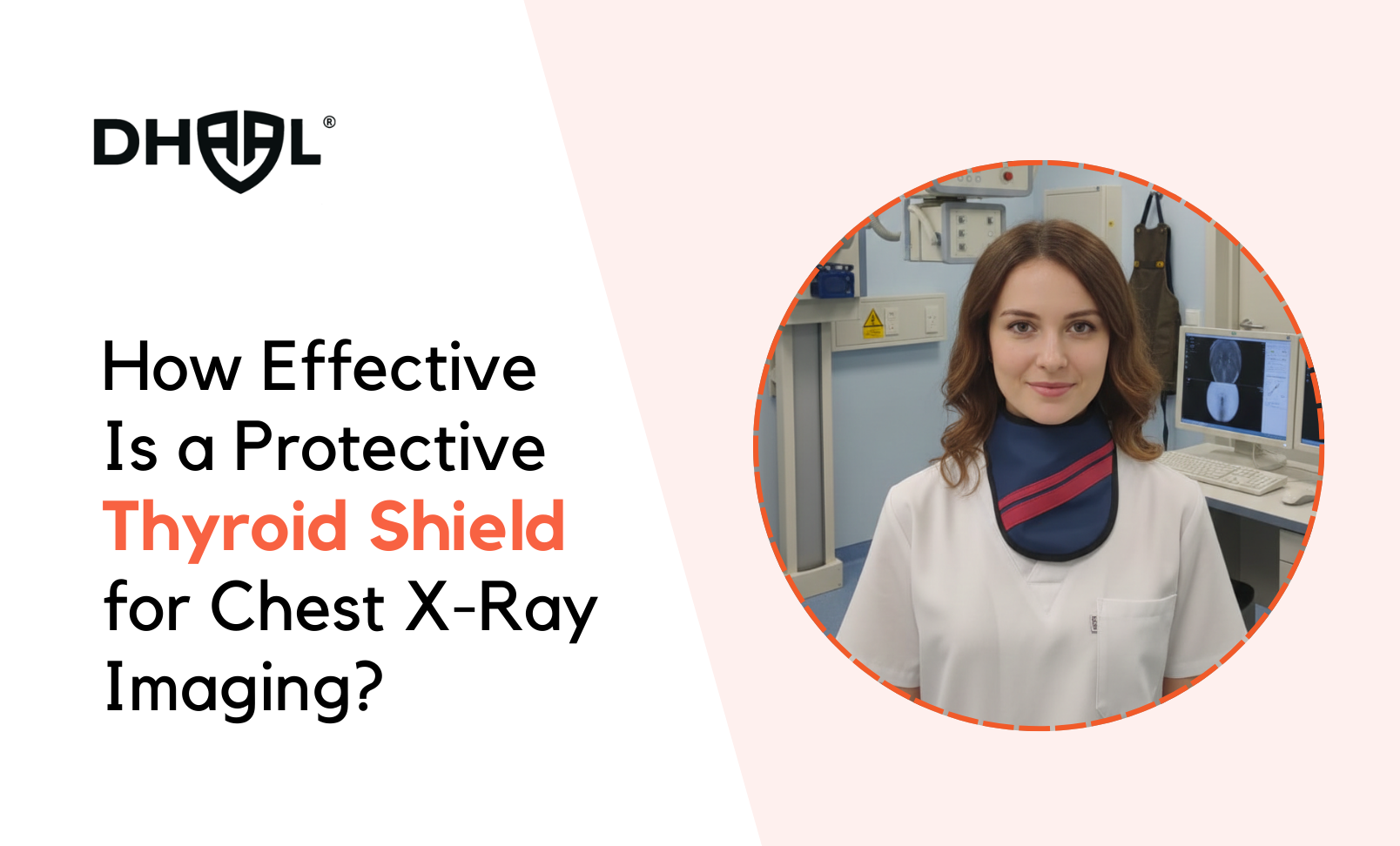
When you undergo a chest X-ray, your doctor is looking for vital information about your heart, lungs, and bones. It’s a quick and invaluable diagnostic tool. However, with any X-ray, there’s a natural concern about radiation exposure. One common question that arises is: how effective is a protective thyroid shield during a chest X-ray?
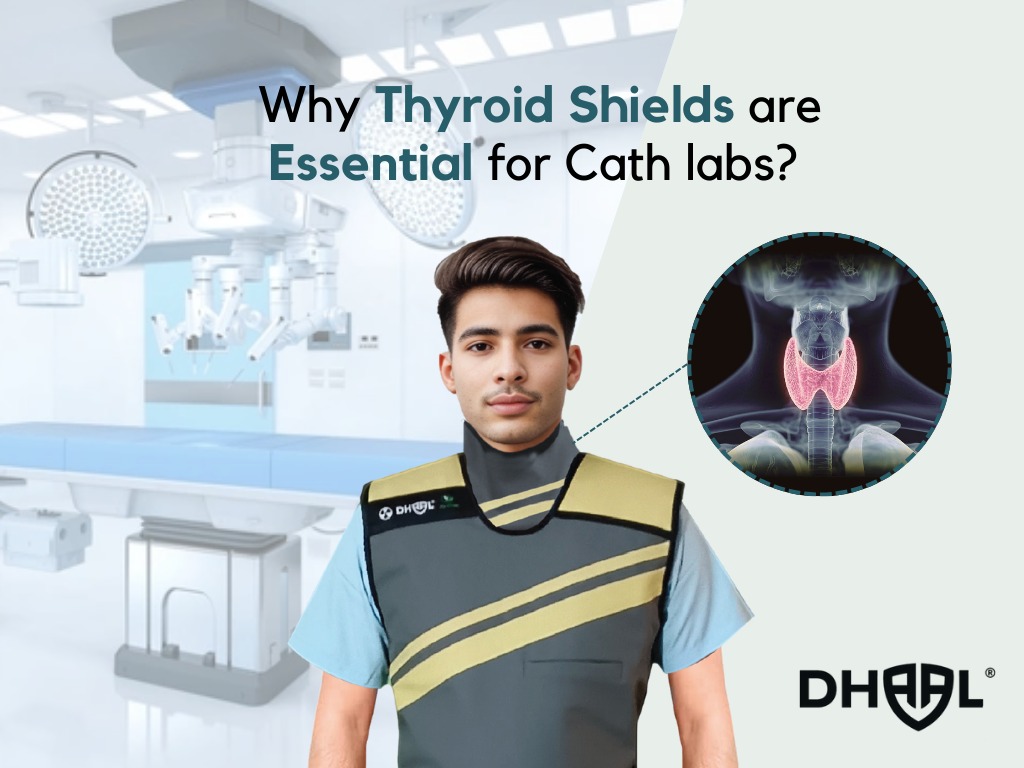
The thyroid gland, located in your neck, is known to be sensitive to radiation. For other types of X-rays, like dental X-rays, a thyroid shield is standard practice and highly effective in blocking radiation. This leads many to believe it would be equally beneficial for a chest X-ray.
The Science Behind Chest X-Rays and Thyroid Protection
Here’s where it gets a little nuanced. During a standard chest X-ray, the X-ray beam is carefully collimated (narrowed) to focus primarily on the chest area. The beam is directed downwards from the X-ray tube towards your back or front, depending on the view needed.
Due to the angulation and collimation of the X-ray beam, the thyroid gland often falls outside the primary radiation field. This means that for most standard chest X-ray projections, the amount of radiation reaching the thyroid is already very low, almost negligible, even without a shield.
When a Thyroid Shield Might Be Considered
While generally not necessary for routine chest X-rays, there are specific situations where a radiologist or technologist might consider using a thyroid shield:
- Specific Patient Populations: For very young children or pregnant individuals, where extra caution is always taken, a thyroid shield might be used as an additional precautionary measure, even if the direct benefit is minimal.
- Unique Imaging Protocols: In certain specialized or non-standard chest X-ray views where the beam might scatter more widely or be directed closer to the neck region, a shield could offer a slight advantage.
- Patient Comfort and Reassurance: Sometimes, providing a thyroid shield can offer peace of mind to a patient who is particularly anxious about radiation exposure.
The Bottom Line
For most adults undergoing routine chest X-rays, the use of a thyroid shield offers very little additional protection due to the inherent nature of how chest X-rays are performed. The primary X-ray beam is already focused away from the thyroid gland, and the scatter radiation reaching it is minimal.
Your medical team is trained to use the lowest possible radiation dose to achieve a high-quality diagnostic image, following the ALARA principle (As Low as Reasonably Achievable). If you have concerns about radiation exposure during an X-ray, always feel free to discuss them with your doctor or the radiologic technologist. They can provide you with personalized information and reassure you about the safety measures in place.
Ultimately, the decision to use a thyroid shield for a chest X-ray rest with the radiologist or technologist, based on the specific circumstances of your examination and current best practices.