Radiation is part of daily work for radiologists, radiographers, cath lab teams, nuclear medicine staff, dental professionals, and industrial radiography workers. It is also one of the most carefully regulated workplace hazards, and for good reason. Dose limits exist so that the benefits of using radiation never come at the cost of a worker’s long-term health.
This blog explains what dose limits are, what the numbers mean, and how to stay well within them.
What Is a Radiation Dose Limit?
A dose limit is the maximum amount of radiation exposure a person may receive from occupational activities over a defined period. It does not include natural background radiation or medical exposure received as a patient.
Dose limits are set by international and national bodies, including:
- ICRP (International Commission on Radiological Protection), which issues global recommendations
- IAEA (International Atomic Energy Agency), which incorporates them into international safety standards
- AERB (Atomic Energy Regulatory Board), which regulates radiation safety in India
Understanding the Units
Occupational dose is usually expressed in millisieverts (mSv). One sievert equals 1,000 millisieverts. The sievert measures the biological effect of radiation on the body, not just the energy absorbed.
Effective dose is the whole-body equivalent dose, weighted by how sensitive different organs are to radiation. Equivalent dose applies to specific tissues such as the lens of the eye, skin, or hands.
Occupational Dose Limits at a Glance
The table below reflects ICRP recommendations, which most national regulations follow closely.
| Category | Limit |
| Effective dose (whole body) | 20 mSv per year, averaged over 5 consecutive years, with no more than 50 mSv in any single year |
| Equivalent dose to the lens of the eye | 20 mSv per year, averaged over 5 years, with no more than 50 mSv in any single year |
| Equivalent dose to skin | 500 mSv per year |
| Equivalent dose to hands and feet | 500 mSv per year |
| Members of the public | 1 mSv per year |
A note on India: AERB’s rules also use a 5-year averaging approach of 20 mSv per year, with a cap of 30 mSv in any single year. Limits can be revised, especially for the lens of the eye, so always check the latest AERB notifications and your institution’s Radiation Safety Officer for the figures that apply to you.
Why the Lens of the Eye Limit Was Lowered
Earlier recommendations allowed up to 150 mSv per year to the lens. Newer research showed that cataracts can develop at lower doses than once believed. This is especially relevant for interventional cardiologists, radiologists, and cath lab staff who work close to the X-ray source. Protective eyewear is now considered an important part of radiation safety, not an optional extra.
Pregnancy and Radiation Work
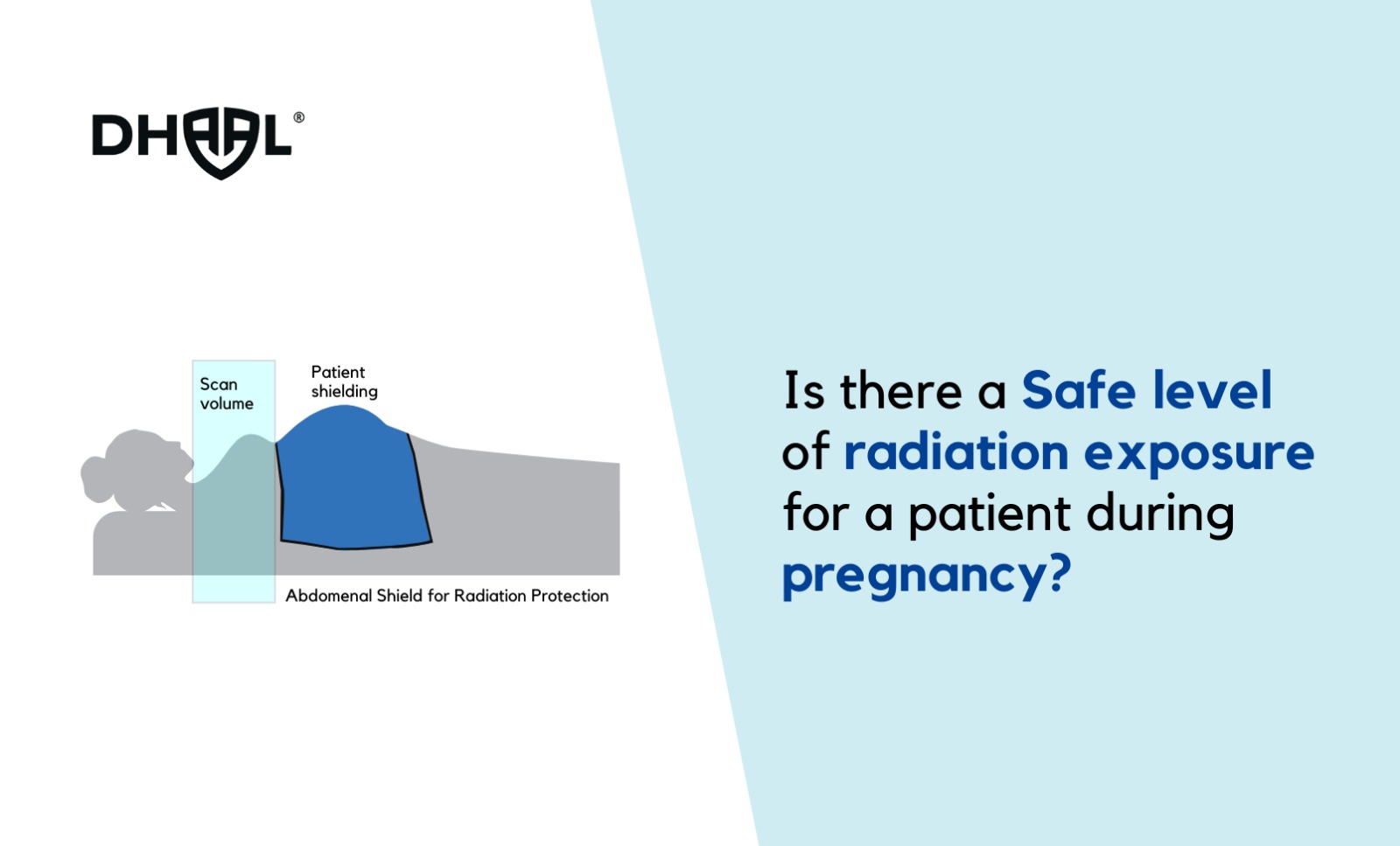
Once a pregnancy is declared, the dose limit for the embryo or fetus is much lower, generally 1 mSv for the remainder of the pregnancy. Employers should review the working conditions of a declared pregnant worker and adjust duties or protection as needed. Early, confidential communication with the Radiation Safety Officer helps ensure the right measures are in place.
Younger Workers and Trainees
People under 18 are generally not permitted to work with radiation, though trainees aged 16 to 18 may be allowed under supervision with much stricter limits (commonly 6 mSv per year).
The ALARA Principle: Limits Are Not Targets
Dose limits are the upper boundary, not a goal. The guiding philosophy of radiation protection is ALARA: As Low As Reasonably Achievable. Even if you are under the limit, every reasonable effort should be made to reduce exposure further. ALARA rests on three simple factors:
- Time: Spend as little time as possible in the radiation field.
- Distance: Exposure falls sharply as you move away from the source. Doubling the distance cuts the dose to roughly one quarter.
- Shielding: Use barriers and personal protective equipment to absorb radiation before it reaches you.
How Doses Are Monitored
Radiation workers are monitored with personal dosimeters, such as:
- TLD badges (thermoluminescent dosimeters)
- OSL dosimeters (optically stimulated luminescence)
- Electronic personal dosimeters that give real-time readings
Key practices for accurate monitoring:
- Wear the dosimeter at the correct position, usually at chest level.
- When a lead apron is worn, wear one badge under the lead apron and, where required, another at collar level outside it.
- Never share dosimeters or leave them near a radiation source when not in use.
- Submit badges on time for processing and review your dose reports regularly.
Protective Equipment Is Your First Line of Defence
Personal protective equipment plays a major role in keeping doses low, particularly in fluoroscopy, interventional procedures, and radiography. Essential items include:
- Lead or lead-free protective aprons
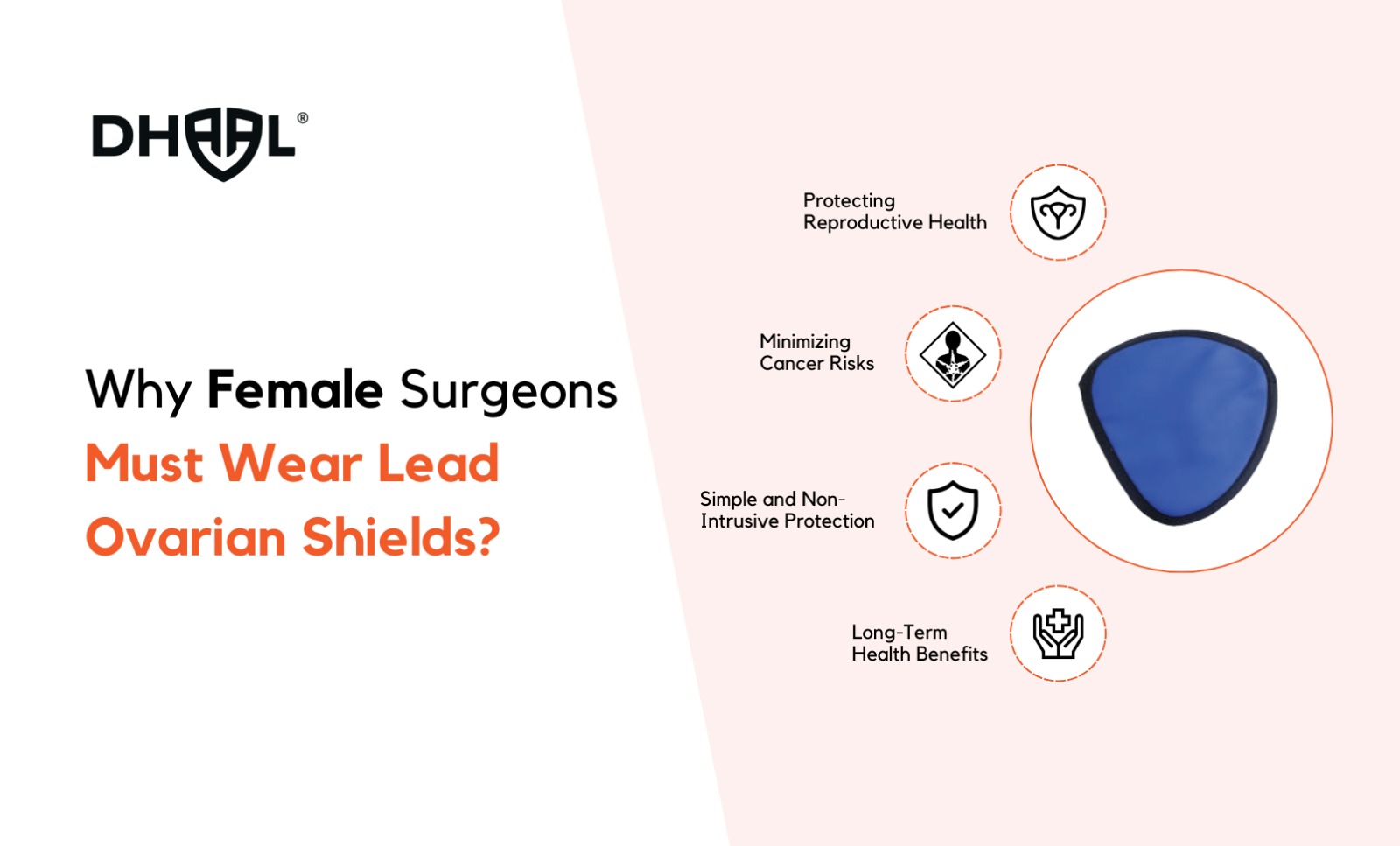
- Thyroid collars
- Protective eyewear
- Lead gloves where hands may approach the beam
- Mobile and ceiling-mounted shields
Equipment should fit properly, be free from cracks or damage, and be inspected regularly. A worn or poorly fitting lead thyroid apron can give a false sense of security. Periodic checks, including X-ray or fluoroscopic inspection, help confirm that shielding remains intact.
What Happens If a Dose Limit Is Exceeded?
If a worker’s dose approaches or exceeds a limit, the standard response includes:
- Informing the Radiation Safety Officer immediately
- Investigating the cause
- Reviewing work practices, equipment, and shielding
- Restricting further exposure until the situation is assessed
- Documenting corrective actions
Such events are treated as learning opportunities to improve safety, not just compliance failures.
Final Thoughts
Dose limits are a cornerstone of safe radiation practice, but staying safe takes more than knowing the numbers. It means combining awareness, ALARA principles, regular monitoring, and reliable protective equipment. Whether you work in a hospital, a diagnostic centre, or an industrial setting, protecting yourself today protects your health for the years ahead.
Disclaimer: This blog is for general educational purposes. Dose limits and regulatory requirements may change, so always refer to current guidelines from AERB or your national regulator, and consult your Radiation Safety Officer.